
Company > Facilities
Facilities
Water Treatment
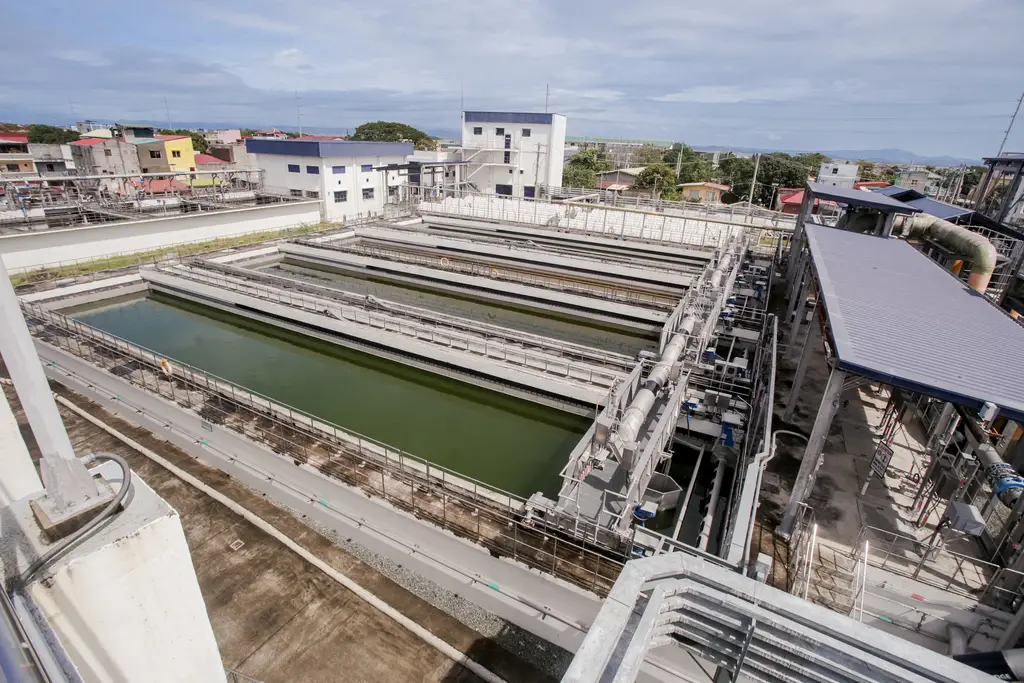
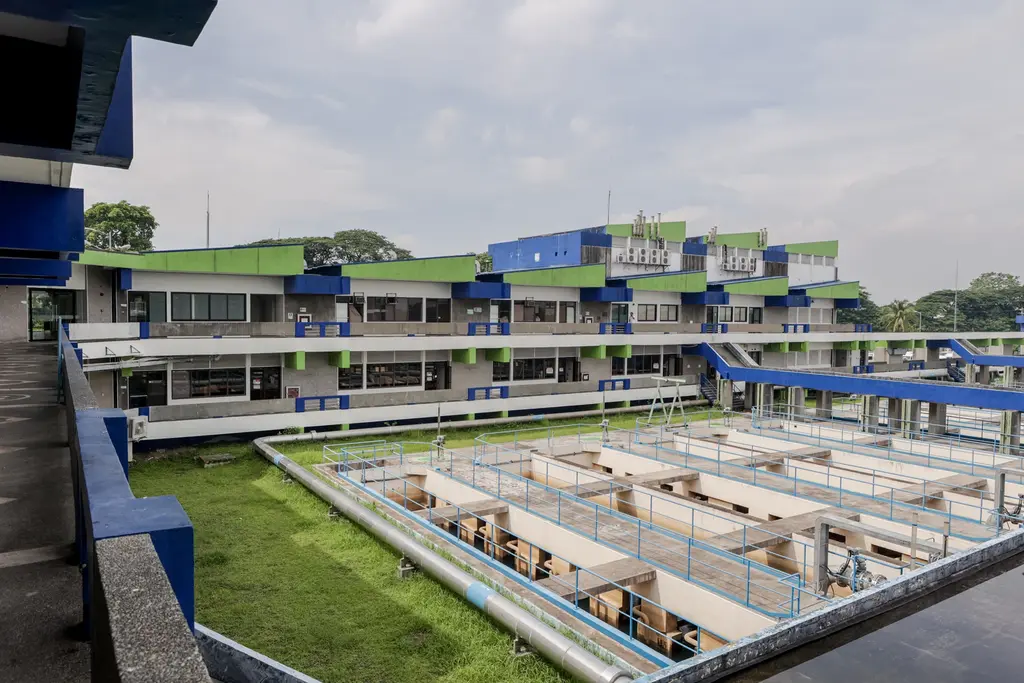
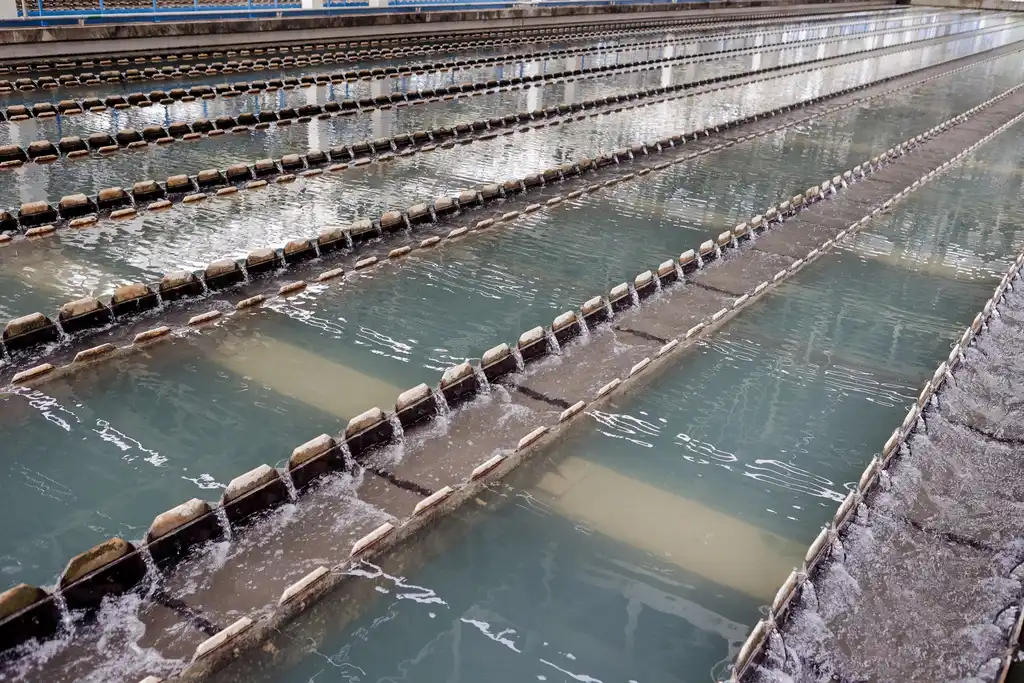
Maynilad maintains and operates eight technologically advanced water treatment plants.
1. La Mesa Treatment Plant 1 is a conventional-type plant with a maximum design capacity of 1,500 million liters per day (MLD). It was designed by American company Camp, Dresser and McKee.
2. La Mesa Treatment Plant 2 is a pulsator-type plant that has a design capacity of 900MLD. It was designed by Degrémont, a French company recognized as a world specialist in water treatment plants.
– Both treatment plants are ISO 9001:2015, ISO 14001:2015 and OHSAS 18001:2007-certified, which means that Maynilad’s water treatment process meets global standards for Quality Management and Environmental Management.
3. Putatan Water Treatment Plant (PWTP) 1 draws raw water from Laguna Lake and is the largest membrane-based water treatment plant in the Philippines. It is the first of its kind in the country to use large-scale ultrafiltration and reverse osmosis.
4. Putatan Water Treatment Plant 2 is also a membrane-based water treatment plant. Simila r to PWTP1, it has a design capacity of 150 MLD. It uses an advanced, multi-stage process for treating water from Laguna Lake to ensure delivery of potable water.
5. Parañaque New Water Treatment Plant is also a membrane-based water treatment plant and has a design capacity of 10 MLD. This facility converts the treated effluent of the Parañaque Water Reclamation Facility into drinking water supply that is directly blended with supply in the distribution system—a first in the Philippines and in Asia.
6. Anabu Modular Treatment Plant is a membrane-based water treatment plant with a design capacity of 16 MLD. This facility converts the raw water from the Anabu Dam into drinking water supply that is directly blended with supply in the distribution system.
7. Poblacion Water Treatment Plant is Maynilad’s third treatment plant that draws raw water from Laguna Lake. This membrane-based facility can produce 150 MLD at full capacity, and supplies potable water to Maynilad customers in the southern part of the West concession.
8. Valenzuela Modular Treatment Plant can produce 1 MLD of potable water using either the raw water of Tullahan River or the treated effluent of the Valenzuela Water Reclamation Facility as source. It supplies potable water to approximately 329 water service connections at Brgy. Marulas, Valenzuela City.
All eight water treatment facilities produce water that meets the Philippine National Standards for Drinking Water (PNSDW) of the Department of Health (DOH).
Water Distribution
Maynilad maintains and operates some 7,287 kilometers of primary, secondary and tertiary pipelines. If laid end-to-end from Manila, these pipes can reach United Arab Emirates in the Middle East.
The company also has 39 pumping stations, 39 water reservoirs and 35 in-line boosters across its service area. Its reservoirs have a total holding capacity of over 751.5 million liters of potable water.
The Maynilad water distribution system is the longest ISO-certified facility of its kind in the Philippines. It stretches from North Caloocan to Cavite Province and delivers over 2,710 million liters of potable water per day to over 1,532,000 million customers.
Wastewater Collection and Conveyance
Maynilad maintains and operates 129 pumping/lift stations, and over 643 kilometers of sewer lines to enable the efficient collection and conveyance of wastewater from the customers to the treatment facilities to the receiving bodies of water.
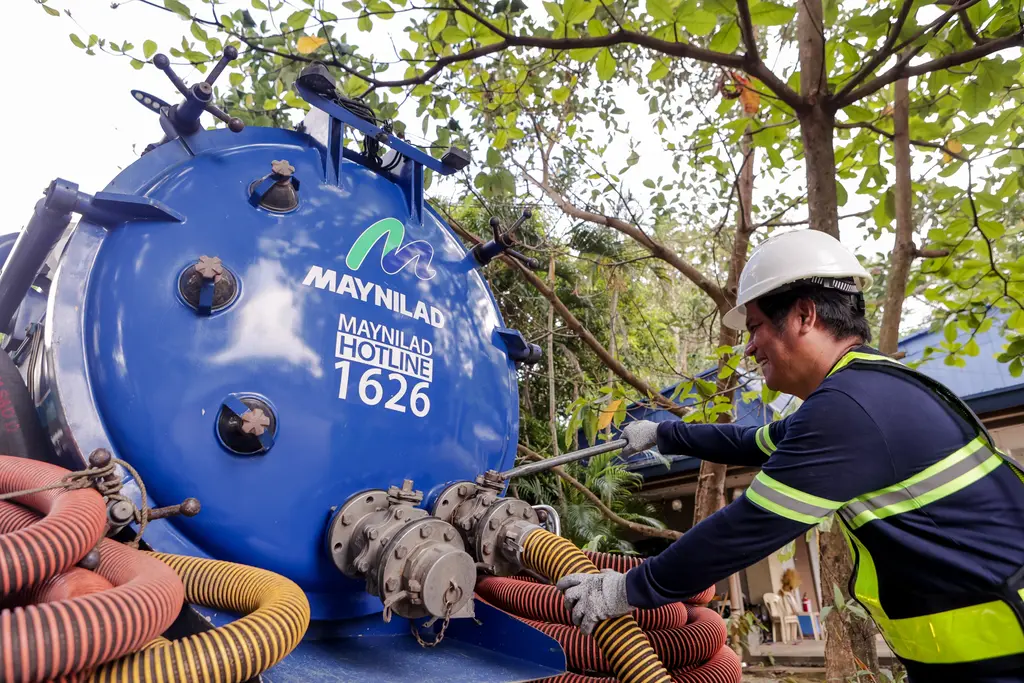
For sanitation, 89 Vacuum Truck Units are being operated and maintained to collect septage and clean the septic tanks of the customers.
Wastewater Treatment
Maynilad is operating seven sewerage systems or catchments composed of 23 wastewater facilities (20 Water Reclamation Facilities (“WRF”)/Sewage Treatment Plants, two Joint Sewage and Septage Treatment Plants, and one Septage Treatment Plant) which serves around 30.7% of the total water-served population in the West Zone.
Twenty-two out of the 23 facilities are certified in three standards, namely, the ISO 9001:2015 (Quality Management System), ISO 140001:2015 (Environmental Management System), and OHSA 18001:2007 (Health and Safety Management System). Aside from the three ISO certifications, the Tondo Sewage Pumping Plant is also certified under ISO 50001:2011 (Energy Management System).